Get Heat Pump Installation
Heat pump installation services help property owners replace or upgrade heating and cooling systems by connecting them with local contractors experienced in installing efficient heat pumps.
If you’re considering heat pump installation, you're in the right place to explore your options. Property owners in the area often look into heat pumps as a versatile solution for efficient heating and cooling, especially when planning upgrades or new projects. Comparing local contractors can help identify experienced service providers who understand the specific needs of properties in the community, ensuring a smooth and well-informed process.
Continuing to review available services can provide valuable insights into how heat pump systems might enhance comfort and energy efficiency. Local contractors offer a range of solutions tailored to different property types and preferences, making it easier to find options that align with your project goals. Keep reading to discover more about how these professionals can assist with your heat pump installation needs.
- Heat pump installation for new home construction - homeowners building a new property may need local contractors to install efficient heating and cooling systems.
- Upgrading an existing heating system - those replacing outdated or inefficient systems might seek local pros to install modern heat pumps.
- Retrofitting older properties - owners of older buildings may require professional installation to improve energy efficiency with heat pumps.
- Adding supplemental heating solutions - households looking to enhance comfort in specific areas can connect with service providers for targeted heat pump installation.
- Replacing a failed or damaged heat pump - property owners needing to remove and replace malfunctioning units can find local contractors for expert installation.
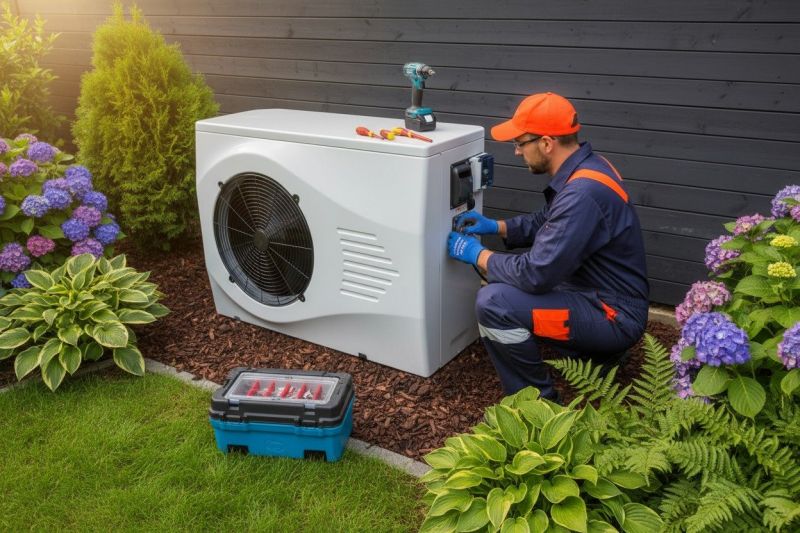
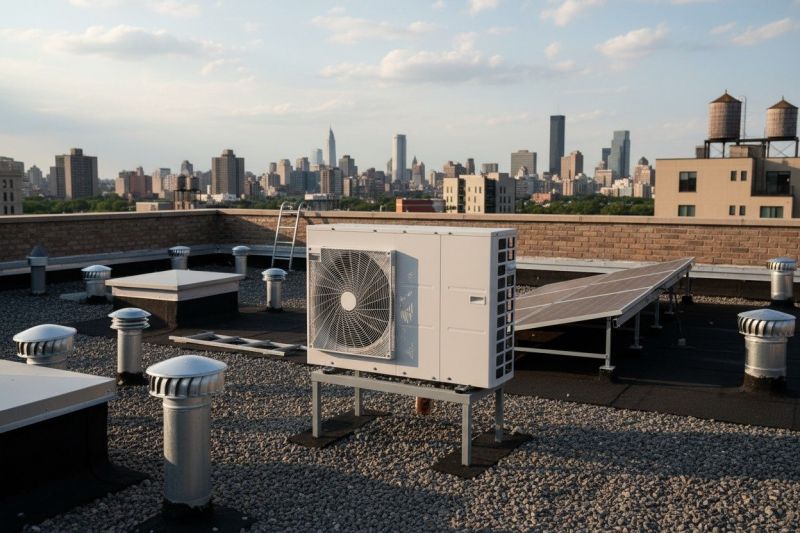
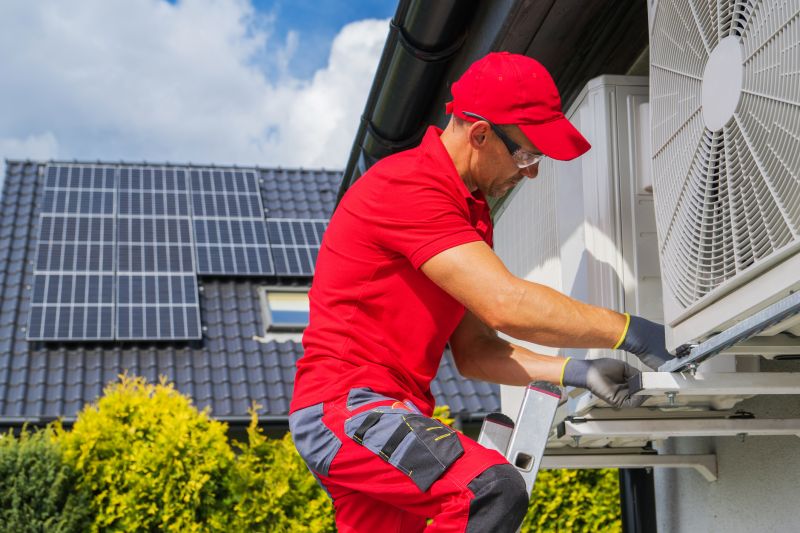
Heat pump installation services involve setting up an energy-efficient heating and cooling system that can provide year-round comfort for a home. These systems work by transferring heat between the indoors and outdoors, allowing them to heat a space during colder months and cool it during warmer periods. The installation process typically includes selecting the right heat pump model, preparing the property for setup, and correctly installing the unit to ensure optimal performance. Professional service providers focus on ensuring the system is properly integrated with existing ductwork or electrical components, helping homeowners enjoy reliable climate control with minimal disruption.
This service helps address common problems such as outdated or inefficient heating and cooling systems that can lead to higher energy bills and inconsistent indoor temperatures. Heat pumps are especially useful in homes where traditional furnaces or air conditioners are no longer effective or cost-efficient. They can also serve as a practical solution for homes that need a more versatile climate control system without the need for separate heating and cooling units. By upgrading to a heat pump, homeowners often experience improved comfort and energy savings, especially in moderate climates where these systems operate most efficiently.
Properties that typically benefit from heat pump installation include single-family homes, townhouses, and small apartment buildings. These systems are suitable for residences with adequate space for outdoor units and proper electrical connections. They are also a good choice for homes where space is limited but a reliable, all-in-one climate control solution is desired. Additionally, heat pumps can be installed in new construction projects or during renovations, making them a flexible option for a variety of property types. Service providers can assess the specific needs of each property to recommend the right system and ensure a professional installation.
Homeowners considering heat pump installation should look for local contractors experienced in handling these systems. These professionals can evaluate the property's size, layout, and existing infrastructure to recommend the most suitable heat pump model. Proper installation is essential for maximizing efficiency and longevity, so working with qualified service providers ensures the system operates as intended. Whether replacing an old system or installing a new one, local pros can help determine the best options for comfort, performance, and energy savings tailored to each unique property.
The overview below groups typical Heat Pump Installation projects into broad ranges so you can see how smaller, mid-sized, and larger jobs often compare in your area.
In many markets, a large share of routine jobs stays in the lower and middle ranges, while only a smaller percentage of projects moves into the highest bands when the work is more complex or site conditions are harder than average.
Smaller Repairs - minor heat pump repairs or component replacements typically cost between $250 and $600. Many routine fixes fall within this range, though prices can vary depending on the specific issue and local rates.
Partial System Upgrades - upgrading certain parts of a heat pump system, such as thermostats or wiring, usually ranges from $600 to $1,500. These projects are common and tend to stay within the middle of this band, with fewer reaching higher costs.
Full System Replacement - replacing an entire heat pump system generally costs between $3,500 and $7,000. Larger, more complex projects can exceed this range, but many installations fall into the mid-tier prices.
High-End Installations - premium, multi-zone or advanced heat pump systems can cost $7,000 and above. These projects are less common and typically involve additional equipment or customization, leading to higher overall costs.
Actual totals will depend on details like access to the work area, the scope of the project, and the materials selected, so use these as general starting points rather than exact figures.
HVAC System Replacement - Local contractors experienced in HVAC replacements often have the skills needed for heat pump installations, including system planning and ductwork adjustments.
Ductwork Installation and Repair - Proper ductwork setup is essential for heat pump efficiency, making duct installation and repair projects closely related in planning and execution.
Air Conditioning System Installation - Installing central air conditioning shares similar tools and techniques with heat pump setup, focusing on climate control system integration.
Furnace Installation Services - Furnace installation projects involve similar electrical and ventilation considerations as heat pump systems, requiring comparable planning and skills.
Thermostat and Control System Setup - Setting up thermostats and control systems involves electrical work and system calibration similar to heat pump control integration.
Energy Efficiency Upgrades - Upgrading insulation and sealing can complement heat pump systems, requiring planning and knowledge of building performance improvements.
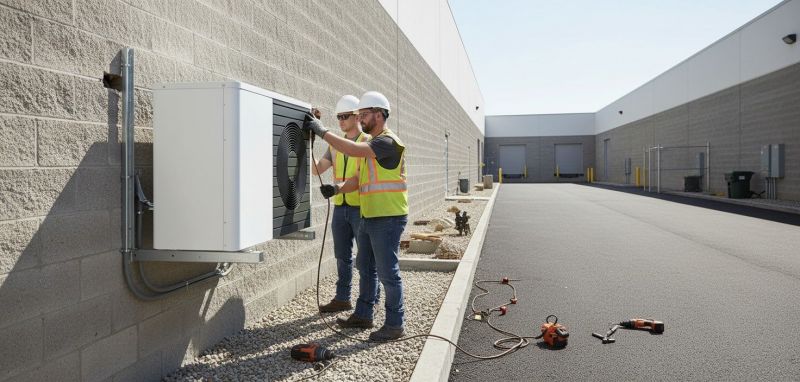
When comparing local contractors for heat pump installation, it’s important to consider their experience with similar projects. Homeowners should look for service providers who have a proven track record of installing heat pumps in homes comparable to their own. This can provide insight into their familiarity with specific system types, building layouts, and potential challenges that might arise during installation. Asking about the number of similar projects completed can help gauge whether a contractor has the practical knowledge needed to handle the job effectively.
Clear written expectations are essential when evaluating potential service providers. Homeowners should seek contractors who can provide detailed proposals that outline the scope of work, materials to be used, and any relevant warranties or guarantees. Having these details in writing helps ensure that both parties are aligned on the project’s goals and reduces the likelihood of misunderstandings. It’s also beneficial to clarify how the contractor will handle any unforeseen issues that might occur during installation, fostering transparency and trust.
Good communication and reputable references are key indicators of a reliable contractor. Homeowners are encouraged to ask for references from previous clients who had similar work done and to follow up with those references to learn about their experiences. A contractor who communicates clearly and promptly can make the process smoother and more predictable. While the site introduces homeowners to local service providers, it’s important to remember that the actual installation work is handled by these local contractors. Comparing their experience, expectations, and reputation can help ensure a positive outcome for the heat pump project.
Property owners use Heat Pump Installation services for practical projects around their homes and businesses. This guide focuses on everyday jobs and straightforward project options.
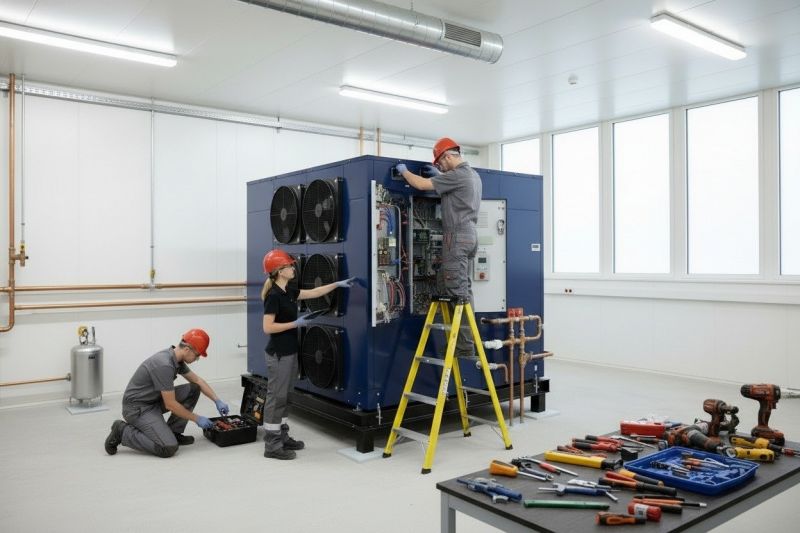
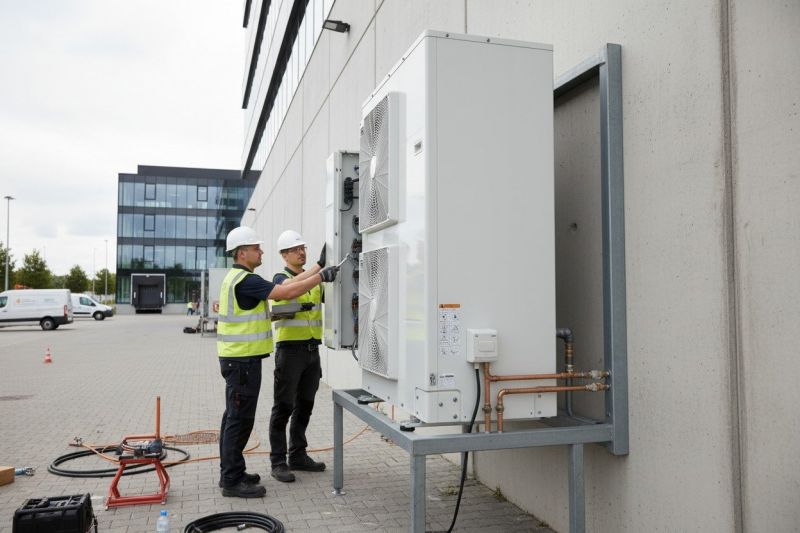
Heat pump installation is a common project for property owners looking to upgrade their heating and cooling systems. Whether replacing an old unit or installing a new system in a recently built home, local contractors are often called upon to handle the work. Many property owners seek these services to improve energy efficiency, reduce utility bills, or simply to ensure consistent indoor comfort throughout the year.
In addition, homeowners and business owners may turn to local service providers when their existing heat pump is underperforming or has developed issues. Installing a new heat pump can be a practical solution for those wanting a reliable and modern system. Local contractors are equipped to manage various project situations, from straightforward replacements to more complex setups, helping property owners achieve their desired indoor climate.
What is a heat pump and how does it work? A heat pump is a device that transfers heat between the indoors and outdoors to provide heating or cooling. Local contractors can install systems that suit your home's size and needs.
How do I know if a heat pump is suitable for my property? Local service providers can assess your home’s size, insulation, and existing HVAC setup to determine if a heat pump is a practical option.
What are the main types of heat pumps available? The most common types include air-source and ground-source (geothermal) heat pumps, with local contractors able to recommend the best choice for your situation.
What should I consider before installing a heat pump? Factors like your current heating and cooling needs, existing ductwork, and the local climate are important considerations that service providers can evaluate.
How does the installation process typically proceed? Local contractors usually perform site assessments, prepare the necessary space, and install the system according to manufacturer specifications and local codes.
Energy-efficient heating upgrade - property owners can improve home comfort by replacing outdated heating systems with modern heat pumps installed by local contractors.
Year-round climate control - heat pump installation enables property owners to maintain consistent indoor temperatures during all seasons.
Reducing heating costs - local pros can help property owners optimize heating efficiency through professional heat pump setup.
Enhancing indoor air quality - heat pump systems can improve ventilation and air circulation in residential or commercial spaces.
If you are thinking about Heat Pump Installation for a property, this guide is meant to help you understand the work, the typical project types, and how different options might fit your plans.
When you are ready, you can use the quote form on this page to share a few details about your project. From there, local pros can review the basics and respond with options that match what you have in mind.